The rise and transformation of gambling through the ages
Origins of Gambling in Ancient Civilizations
The history of gambling can be traced back to ancient civilizations, where games of chance were often intertwined with religious and cultural practices. Archaeological findings indicate that the Chinese, Romans, and Egyptians engaged in various forms of gambling as early as 2,300 BC. These early games often involved dice and betting on outcomes, laying the foundation for the gambling practices we recognize today, including modern sites like https://hellcasecs2.com.

In ancient Rome, gambling was prevalent among the populace, with various games being played in public spaces. This cultural acceptance of gambling contributed to its growth, with emperors even endorsing games as a means of keeping the masses entertained. The introduction of card games and betting on gladiatorial contests further diversified the gambling landscape, marking the beginning of organized gambling.
Gambling in the Middle Ages
The Middle Ages saw a transformation in gambling, particularly in Europe, where it became more structured and regulated. During this period, gambling houses began to emerge, offering games such as dice and card games. The Church’s stance on gambling fluctuated, often condemning it as a vice while simultaneously recognizing its widespread popularity. This dichotomy allowed gambling to thrive despite the moral objections surrounding it.
As societies evolved, so too did the games of chance. The invention of playing cards in the 14th century revolutionized gambling, leading to the establishment of games such as poker and baccarat. By the late Middle Ages, gambling had transformed into a significant social activity, providing not only entertainment but also a way to forge social connections and status among the nobility.
The Age of Enlightenment and Regulation
The Age of Enlightenment brought about significant changes to gambling practices, emphasizing reason and individualism. This era saw the establishment of the first official state lotteries in England, designed to raise funds for public projects. The advent of gambling regulation aimed to control the burgeoning industry, ensuring fairness and minimizing fraud. This marked a turning point, as governments recognized the economic potential of gambling.
During this period, casinos began to flourish, particularly in France, where the concept of a dedicated gambling venue became popular. The gambling culture expanded, with establishments offering a variety of games to attract a wider audience. This laid the groundwork for modern casinos, which would later evolve into the entertainment hubs known today.
The Modern Era and Technological Advancements
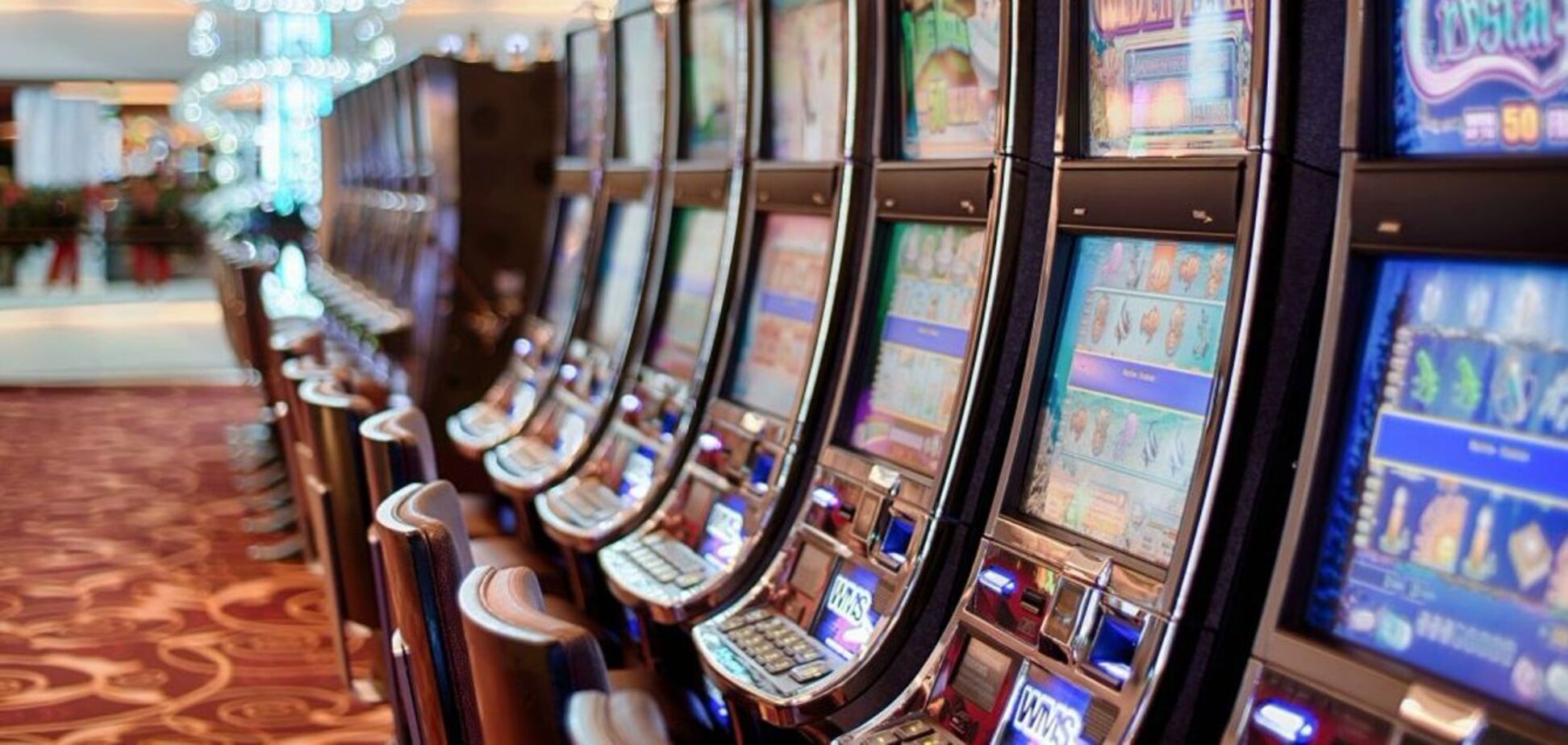
The 20th century marked a significant turning point for gambling, particularly with the advent of technology. The introduction of electronic slot machines in the early 1900s revolutionized the gambling experience, making it more accessible and appealing to the masses. As technology progressed, the emergence of the internet in the late 1990s led to the birth of online gambling, transforming how people engaged with games of chance.
Online gambling platforms have democratized access to gambling, allowing players to enjoy a variety of games from the comfort of their homes. This shift has not only expanded the global reach of gambling but also introduced innovative elements such as live dealer games, ensuring an immersive experience. The rise of mobile gambling further underscores this transformation, allowing users to place bets and play games on-the-go.
Exploring Modern Gaming Platforms
Today, platforms like Hellcase exemplify the transformation of gambling into a more interactive and secure experience. By offering players the opportunity to open cases with various virtual items, Hellcase combines traditional elements of gambling with modern gaming features. The platform’s focus on transparency and fairness is achieved through provably fair gameplay, allowing users to verify the outcomes of their bets.
Moreover, Hellcase prioritizes user security, employing advanced technologies such as SSL encryption and two-factor authentication. This ensures that players can engage in their favorite activities without concerns about safety. As the gambling landscape continues to evolve, platforms like Hellcase are redefining the gaming experience, fostering a vibrant community and creating exciting promotional opportunities for players worldwide.