The evolution of gambling A historical perspective on risk and reward
Ancient Beginnings of Gambling
The roots of gambling can be traced back thousands of years to ancient civilizations. Archaeological evidence suggests that as early as 3000 BC, the Chinese were playing games involving chance, and dice made from bone have been discovered in many ancient cultures. The Romans also embraced gambling, often placing bets on chariot races and gladiatorial contests. These early forms of gambling highlighted a societal fascination with risk and reward, laying the groundwork for future developments in the gambling world.
In ancient Egypt, gambling was a common pastime, with evidence indicating that Pharaohs and commoners alike partook in games of chance. The use of dice was prevalent, and games were often tied to religious practices, showcasing how gambling was intertwined with culture and daily life. This early engagement set a precedent for how gambling would evolve, reflecting societal norms and values while simultaneously serving as entertainment.
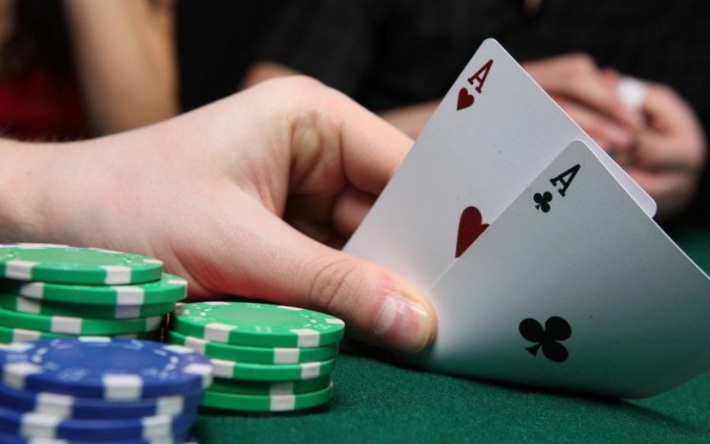
The legalization of various gambling practices also emerged in these early societies, demonstrating a societal acceptance of risk-taking behavior. By placing stakes on uncertain outcomes, individuals not only sought fortune but also found a thrilling escape from their daily routines. These ancient practices of gambling not only entertained but also fostered community interaction and bonding, illustrating the complex role of gambling in human history.
The Middle Ages and Renaissance Influence
As civilizations progressed into the Middle Ages, gambling underwent significant transformations. During this period, the church played a crucial role in shaping attitudes toward gambling. Many religious leaders condemned gambling as a vice that could lead to moral decay. However, this did not stop its popularity; instead, it pushed gambling underground, leading to the emergence of clandestine betting activities. Card games became a popular alternative to traditional dice games, making their way into European courts.
The Renaissance brought about a cultural revival, and with it came an explosion of interest in games of chance. The invention of the printing press allowed for the mass production of playing cards, making them widely accessible. As card games proliferated, they became symbols of social status and sophistication, especially among the European elite. Gambling began to take on a more organized form, with the establishment of the first public gambling houses in cities like Venice, further legitimizing the activity.
This period also saw the emergence of various gambling strategies and systems, as players began to theorize and experiment with odds and probabilities. This shift toward a more calculated approach reflected a growing fascination with rationality and logic, influencing not only gambling practices but also economic theories that would emerge later. The Renaissance was pivotal in shaping gambling as a complex interplay of chance, strategy, and social interaction.
The Rise of Modern Gambling
The 19th century marked the beginning of modern gambling as we know it today. With the industrial revolution, urbanization brought together diverse populations in burgeoning cities, creating a fertile ground for gambling establishments. The establishment of casinos in places like Monte Carlo transformed gambling into a glamorous pursuit, attracting the wealthy and famous. These casinos not only offered games of chance but also became social hubs, reflecting the changing attitudes toward gambling in society.
The invention of the slot machine in the late 19th century revolutionized gambling, allowing patrons to experience the thrill of chance without needing extensive knowledge of games. This innovation expanded gambling’s appeal, making it accessible to a broader audience. As technology advanced, the allure of gambling continued to grow, further entrenched by literature and popular culture depicting the glamorous lifestyles of gamblers.
With the introduction of regulatory frameworks, gambling became more organized, leading to the establishment of lotteries and betting on horse racing. Governments saw the potential for revenue generation, leading to a complex relationship between gambling, regulation, and taxation. This era exemplified the duality of gambling as both a source of entertainment and a potential vice, shaping the ongoing discourse around risk and reward in society.
The Digital Revolution and Online Gambling
The late 20th century brought about a digital revolution that would transform gambling yet again. The advent of the internet opened new avenues for gaming, allowing players to engage in their favorite activities from the comfort of their homes. Online casinos emerged, offering a vast array of games, including slots, poker, and live dealer options. This evolution changed the gambling landscape, making it more accessible and appealing to a global audience.
Online gambling platforms introduced innovative features, such as bonuses and loyalty programs, enhancing the player experience. The rise of mobile technology further facilitated this shift, enabling gambling on the go. Players could now access their favorite games anytime, anywhere, blurring the lines between entertainment and gambling. This accessibility raised questions about responsible gaming and the potential for addiction, leading to the implementation of measures aimed at promoting safer gambling practices.
As online gambling grew in popularity, it also became a significant part of popular culture. Films, television shows, and music began to reflect the nuances of gambling, portraying both the excitement and the potential pitfalls. This cultural representation influenced public perception, highlighting the dual nature of gambling as both a thrilling escape and a risky endeavor, continuing the historical dialogue on risk and reward.
Patrick Spins Casino: A Modern Gambling Destination
In the contemporary landscape of gambling, Casino stands out as a premier online destination for gaming enthusiasts. Combining a vast library of games with user-friendly interfaces, the platform caters to both casual gamers and serious players. With an impressive welcome package and ongoing promotions, it not only makes gambling enjoyable but also provides opportunities for players to maximize their rewards.
Casino embraces the rich history of gambling while incorporating modern technology to enhance user experience. Players can enjoy a variety of games, from slots to live dealer options, all in a secure and fast environment. The platform also prioritizes customer support and responsible gambling, reflecting a commitment to player welfare while ensuring an entertaining experience.
As gambling continues to evolve, Casino embodies the thrilling blend of history and innovation. It serves as a reminder of how far the industry has come and the exciting prospects that lie ahead, ensuring that the age-old fascination with risk and reward remains alive and well in the modern world.