Understanding the psychology behind gambling What drives your bets
The Thrill of Uncertainty
Gambling is fundamentally rooted in the thrill of uncertainty. The unpredictability of outcomes creates an adrenaline rush that many find intoxicating. This uncertainty plays a crucial role in decision-making processes, making individuals more likely to engage in risk-taking behavior. The anticipation of a possible win activates the brain’s reward pathways, releasing dopamine, a neurotransmitter that enhances feelings of pleasure and excitement, thus reinforcing the gambling behavior.
This thrill is amplified by the potential for significant financial gain. Even when the odds are not in a gambler’s favor, the prospect of winning big can overshadow the risks involved. For many, the excitement of the unknown becomes a motivating factor, often leading to repeated engagement with gambling activities. This cycle of risk and reward can easily spiral into habitual behavior, making it difficult for individuals to walk away once they’ve experienced the initial rush.
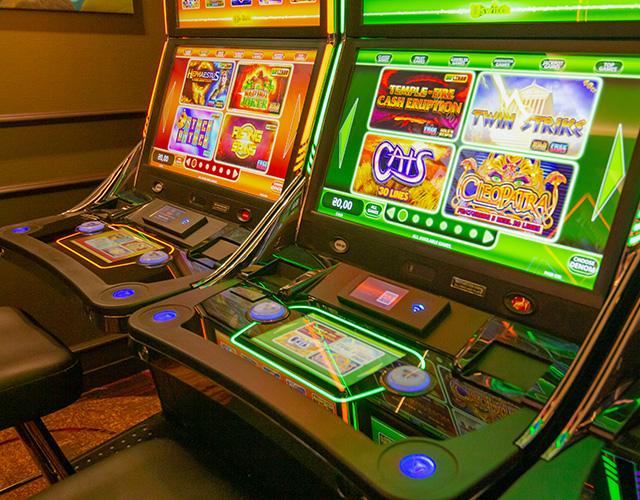
Moreover, the experience of uncertainty in gambling can serve as an escape from reality. Players may be drawn to gambling as a way to distract themselves from everyday stressors and challenges. This temporary escape can foster a deeper psychological attachment to gambling, as it provides not just the thrill of winning, but also a diversion from personal issues, enhancing the overall gambling experience.
Cognitive Biases and Decision-Making
Cognitive biases significantly influence how individuals approach gambling. One common bias is the “gambler’s fallacy,” which leads people to believe that past events affect future outcomes, despite the randomness inherent in games of chance. For example, a player may think that a losing streak must be followed by a win, prompting them to continue betting in hopes of reversing their luck. This misconception often leads to increased losses, reinforcing the cycle of gambling behavior.
Another cognitive bias is the “illusion of control,” where gamblers believe they can influence the outcome of random games through skill or strategy. This illusion encourages players to engage in riskier bets, as they feel a false sense of mastery over the game. For instance, a poker player may believe that their skill level grants them an advantage, despite the role chance plays in the game. This skewed perception can result in increased gambling frequency and larger bets, as players underestimate the randomness of their situation.
Additionally, the environment in which gambling takes place can enhance cognitive biases. Bright lights, engaging sounds, and the presence of other excited players can create a stimulating atmosphere that reinforces risky decisions. This sensory overload distracts gamblers from rational decision-making, making them more likely to chase losses or increase their bets. Understanding these biases is essential for gamblers looking to adopt a more responsible approach to their betting behavior.
The Social Aspect of Gambling
The social aspect of gambling is often overlooked but plays a significant role in why individuals are drawn to this activity. Many people enjoy the camaraderie and excitement that comes from participating in games with others, whether at physical casinos or online platforms. This social interaction can create a sense of belonging and community, which is particularly appealing for individuals who may feel isolated in their everyday lives.
Moreover, social influences can strongly impact gambling behavior. Friends and family members may inadvertently encourage gambling through their own participation or by normalizing it as a recreational activity. Social media can also play a role, with platforms showcasing the glamour and excitement of winning, further enticing individuals to engage in gambling. This social reinforcement can create a feedback loop, whereby individuals feel pressured to continue gambling to maintain their social status or friendships.
However, the social context of gambling can also lead to negative consequences. Individuals may feel compelled to gamble more to keep up with their peers, leading to unhealthy financial habits and potential addiction. It’s vital for gamblers to recognize the influence of their social circles and strive for a balanced approach to gambling that prioritizes personal well-being over social pressures.
Emotional Factors in Gambling
Emotions play a pivotal role in gambling behavior, influencing decisions and impacting overall experiences. Many gamblers use gambling as a way to cope with negative emotions such as stress, anxiety, or depression. The rush of winning or the distraction of gambling can provide temporary relief, making it an attractive outlet for emotional escapism. However, this coping mechanism can quickly become detrimental if gambling is used as a primary method of dealing with emotional issues.
Conversely, positive emotions can also drive gambling behavior. The excitement and joy associated with winning can create a feedback loop, encouraging players to continue gambling in hopes of recapturing that feeling. This cycle of highs and lows can make it challenging for individuals to recognize when their gambling habits are becoming unhealthy. By acknowledging and understanding their emotional motivations, gamblers can make more informed decisions about their betting behavior.
Furthermore, the ability to manage emotions effectively is crucial for responsible gambling. Developing strategies to cope with both positive and negative emotions can help individuals navigate their gambling experiences more mindfully. By focusing on emotional awareness, gamblers can better identify when their betting habits may be spiraling out of control and take steps to regain balance in their lives.
CTBET Casino and Responsible Gambling
Casino stands out as an online gaming platform that prioritizes user experience and responsible gambling practices. With a wide variety of games, including pokies, table games, and live dealer options, it caters to a diverse audience, allowing players to engage with their preferred gaming styles. However, goes beyond just offering games; it emphasizes the importance of player well-being by providing resources and tools to promote responsible gambling.
The platform is designed with player safety in mind, featuring secure transactions and fast withdrawals. also offers generous bonuses and a loyal player program, creating an engaging environment where players can enjoy themselves without compromising their financial health. Players are encouraged to set limits and stay within their budgets to ensure a healthy approach to gambling.
Ultimately, Casino aims to create a thrilling yet safe gambling experience for Australian players. By understanding the psychological factors driving gambling behavior, players can make informed decisions, enhancing their overall enjoyment while minimizing risks. Casino supports this mission by providing resources that empower players to gamble responsibly, promoting a healthier relationship with gaming in the long run.